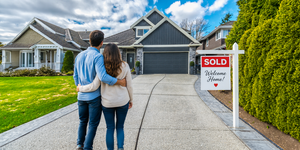
Buying your first home is a major milestone, particularly in the charming and historic setting of Williamsburg. This guide provides the essential steps and considerations for new home buyers to ease the journey and help you make informed decisions.

1. Understanding the Williamsburg Neighborhoods
Williamsburg offers a diverse range of neighborhoods, each with its unique charm and character. Take time to explore areas that align with your lifestyle and budget. Whether you're drawn to the quaint streets steeped in history or the vibrant, modern developments, there's something for everyone in Williamsburg. By visiting potential neighborhoods at different times of the day, you can get a true sense of the community vibe and its offerings. Don't hesitate to explore the local events that bring each community to life, such as farmers markets or historical reenactments, which are popular in this area.
Additionally, consider your daily routines and how they might fit into the neighborhood's landscape. Are you looking for easy access to work, or do you prefer a more residential setting where you can enjoy a suburban lifestyle with nearby parks and schools? Williamsburg's neighborhoods present a blend of both urban conveniences and suburban serenity, which can greatly influence your lifestyle choices after moving. For insights into local conveniences and their proximity to various neighborhoods, feel free to explore strategically located retail and dining options.
2. Setting a Realistic Budget
Budgeting for your new home is crucial. Factor in not just the purchase price but also closing costs, property taxes, and any renovations you might consider. It's easy to romanticize what you want in a new home, but financial planning should ground your dreams in reality. Creating a detailed budget can help prevent the heartache of falling in love with a home that stretches beyond your means.
One practical tip is to set a budget range, which provides some flexibility while shopping for homes. Consider getting familiar with common home loan options and terms so you can make an informed decision about the amount you can afford to borrow. This foresight will help you manage expectations and focus your home search within parameters you can comfortably sustain financially.
3. Getting Pre-Approved for a Mortgage
Mortgage pre-approval gives you a clear idea of what you can afford and strengthens your position when making an offer. Begin by researching lending options and comparing interest rates. Pre-approval is not only advantageous during negotiations; it also provides peace of mind and shows sellers you're serious. Gathering all necessary financial documents early can expedite the process, ensuring you're ready to act quickly in Williamsburg's competitive market.
Review your credit score before applying for pre-approval. A strong credit score can better your odds of qualifying for a lower interest rate, potentially saving you thousands over the life of the loan. Keep in mind that different lenders have varying criteria and offers, so consulting with multiple mortgage lenders is wise to secure the best possible terms for your financial situation.
4. Working with a Knowledgeable Real Estate Agent
A skilled real estate agent familiar with homes for sale in Williamsburg can be invaluable. They can offer insights into the local market and assist in negotiations. A good agent is not just an adviser, but an advocate, working diligently on your behalf to find homes that match your needs and desires while providing advice in key decision areas like offers and inspections.
Choosing the right agent involves looking for someone who listens to your needs, has a proven track record of successful negotiations, and possesses a deep understanding of Williamsburg's real estate dynamics. Meet with several agents, ask questions about their experience, and discuss your expectations. With the complexity of real estate transactions, having an agent you trust can greatly enhance your home buying journey, making it less stressful and more rewarding.
5. Researching School Districts and Amenities
For families or those planning for a future family, researching school districts is essential. Also, consider the proximity to amenities like parks, grocery stores, and public transport. Williamsburg is known for its quality educational institutions and recreational facilities that make it an attractive place for families.
Evaluate the performance and reputation of local schools by visiting school websites and talking to residents who can offer personal experiences. Access to quality education and resources can impact not only children's development but also property values in the long run. Furthermore, check out the community resources and amenities that contribute to the overall lifestyle and convenience of your prospective neighborhood, ensuring it meets your personal and familial preferences.
6. Inspecting Potential Properties Thoroughly
Inspections can reveal hidden issues that may not be obvious at first glance. Enlist the services of a trusted home inspector to get a thorough evaluation of any property you're interested in. Ensure they check for structural integrity, pest infestations, and the condition of plumbing and electrical systems.
It's beneficial to accompany the inspector during the evaluation. Not only does it provide insights into any potential problems, but it also presents an opportunity to ask questions about maintenance and upkeep for the home. Identifying any issues prior to purchasing can prevent unexpected costs and give you negotiating power for repairs or price adjustments. Trust in honest, detailed inspections to help diminish surprises and secure a wise investment in Williamsburg’s housing market.
7. Understanding Housing Market Trends
Stay informed about current market trends in Williamsburg. Knowing whether it's a buyer's or seller's market will help you strategize your purchase approach. Markets fluctuate due to factors like economic conditions, interest rates, and housing availability, so planning your timing and strategy accordingly can enhance the outcome of your home buying efforts.
Consulting with your real estate agent about local market conditions is crucial. They can provide data on recent sale prices and trends, helping you determine how aggressive your offer should be. In a competitive market, buyers might face bidding wars, whereas in a buyer's market, there's potentially more room for negotiation. Keeping abreast of these trends facilitates a proactive approach, enabling you to tailor your strategy distinctly for Williamsburg's dynamic market.
8. Evaluating Your Long-Term Investment
Consider how well a potential property aligns with your future plans, including family growth, career changes, or lifestyle preferences. Reflect on whether the home will support your life changes over the years, and how adaptable the space will be in the future. The prospect of selling under favorable conditions should also be a factor in your decision-making.
The best investment is often a property that can grow with you, both in personal terms and in market value. Think about improvements or expansions you might need and look into neighborhood trends to gauge future property value increases. Additionally, understanding how your home and neighborhood fit into broader Williamsburg trends can provide peace of mind in long-term investments. Explore how home upgrades and renovations might boost property value and enhance your living experience long after the mortgage papers are signed.
9. Negotiating Offer and Contract Terms
Learn how to craft offers that are competitive yet smart. Understand the negotiation tactics that can assist in securing a favorable deal. An offer too low may not receive a counteroffer, while one too high may not be necessary in certain market conditions. Your agent can guide you through nuances in negotiations, ensuring a balanced approach.
Look beyond just the purchase price when negotiating. Consider factors such as closing costs, move-in dates, and contingencies which can be just as pivotal to sealing the deal. A well-rounded offer package that respects both buyer and seller priorities facilitates more successful agreements. Stay educated about best practices for sensitive negotiation situations, so you're prepared for all scenarios.
10. Preparing for Closing Day
Ensure all necessary paperwork is in order and funds are prepared for the closing day. Your agent will guide you through this complex process to make it as smooth as possible. It’s crucial to review all documents thoroughly and clarify any uncertainties well before the closing meeting. Confirm that you understand each document's significance to preempt any last-minute surprises.
Close coordination with all parties involved – such as the lender, real estate agent, and the seller's representatives – ensures a seamless transition from offer acceptance to receiving your new home keys. Also, attending a pre-closing walk-through can confirm the property is in agreed-upon condition, providing confidence in finalizing the purchase. This exciting stage of buying a home signifies the final step in owning your dream space, thoroughly understanding the closing process, and ensuring your preparation for this pivotal day are keys to transitioning into your new life chapter smoothly.