Moving can be a daunting process, but with the right guidance, it doesn't have to be. Liz Moore Associates brings decades of experience to help you navigate your move with ease. Follow these steps for a seamless transition to your new home.
1. Plan Your Move Early
Getting a head start can make all the difference. Begin by setting a moving date and creating a checklist of tasks to tackle well ahead of time. This checklist should include everything from organizing your belongings to notifying the relevant parties of your change of address. By breaking down tasks into manageable chunks, you can avoid the overwhelming feeling that often accompanies a move.
Another essential early planning step is budgeting. Determine all potential expenses, including packing supplies, moving services, and any new utility deposits. This not only keeps your finances in check but also reduces unexpected hassles. Involving all household members in the planning phase can also streamline communication and ensure everyone is on the same page.
2. Declutter Your Home
Before packing, identify items to keep, donate, or sell. This step not only reduces moving costs but also saves valuable time and energy in your new space. Consider holding a garage sale or using online platforms to sell items you no longer need. Decluttering is a perfect opportunity to start afresh in your new home, free from unnecessary clutter.
3. Organize Important Documents
Keep all essential documents like leases, contracts, and financial records in one place for easy access during your move. It's a good idea to use a dedicated binder or a digital cloud service to store scanned copies, providing a backup in case of loss. This organizational step not only simplifies your move but also ensures a smooth transition into your new home's administrative aspects.
4. Secure Quality Moving Supplies
Ensure you have sturdy boxes, bubble wrap, and other packing materials to protect your belongings during the move. Quality supplies like heavy-duty tape and furniture covers are investments that pay off in preserving the condition of your valuables. Consider eco-friendly options like reusable bins or renting supplies if reducing your environmental footprint is a priority.
Local stores or online marketplaces often offer supplies at competitive prices. Take the time to gather everything you need to avoid last-minute scrambles on moving day. Properly securing your belongings not only prevents damage but also gives peace of mind knowing that everything will arrive safely.
5. Pack Room by Room
Focus on one area at a time to maintain organization and ensure nothing is left behind. Start with rooms and items you use the least. This strategy minimizes disruption to your daily routine and keeps essential items accessible. Documenting the contents of each box can further aid in maintaining order.
As you move from room to room, use this as an opportunity to further declutter. Assess each item's necessity and sentimental value before placing it in a box. Room-by-room packing also allows for individualized attention to valuables, ensuring they receive the care and protection they require during the move.
6. Label Everything Clearly
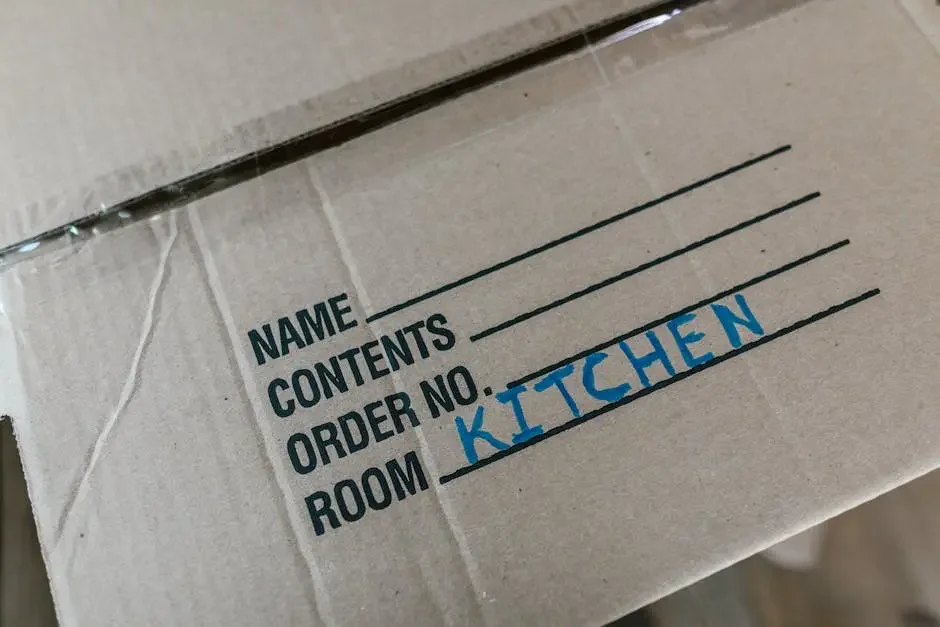
Label boxes with their contents and destination rooms. This will make unpacking at your new home a breeze. Consider color-coded labels or a numbering system for even more streamlined organization. Creating a master list that corresponds with these labels can expedite the unpacking process further.
7. Arrange Utilities and Services
Set up utilities such as water, electricity, and internet in your new home before moving day to ensure a smooth transition. Contact your providers at least two weeks in advance to confirm service transfers and installation schedules. Remember, a little forethought here can go a long way in making your first few days in your new home comfortable and connected.
8. Consider Professional Movers
Hiring professional movers like Liz Moore Associates can alleviate stress and ensure a more efficient moving process. Professionals bring expertise and equipment that streamline the moving process, from heavy lifting to transportation logistics. They also offer insurance options, providing further peace of mind regarding your belongings.
9. Notify Change of Address
Update your address with the postal service, banks, and any subscriptions to avoid any disruption. Creating a list of entities and accounts to notify can simplify this step. Ensure that your driver's license, voter registration, and any other official documents reflect your new address.
10. Pack an Essentials Box
Prepare a box with essentials like toiletries, clothes, and snacks for the first few days in your new home. This 'survival box' should include anything you might need immediately, allowing you to relax without the rush of unpacking everything at once. Personalized essentials, like favorite items or children's toys, can also ease the transition.
11. Inspect Your New Home
Before moving in, conduct a walkthrough to ensure everything is in order. Address any concerns immediately, such as checking for leaks, testing appliances, and confirming that all repairs have been completed. This inspection is a crucial step to ensure your new place meets your expectations and is ready for your family to settle in.
12. Settle into Your New Space
Take time to arrange furniture, decorate, and meet your neighbors to feel at home in your new surroundings. Explore the community and discover nearby amenities and attractions that align with your lifestyle. A well-planned settling-in phase ensures that you and your family transition smoothly and start creating new memories in your new home.