Buying a home is an exciting journey, but understanding the local weather is crucial, especially in Williamsburg. This guide will help you prepare for the unique weather conditions in Williamsburg when you're considering buying a home.
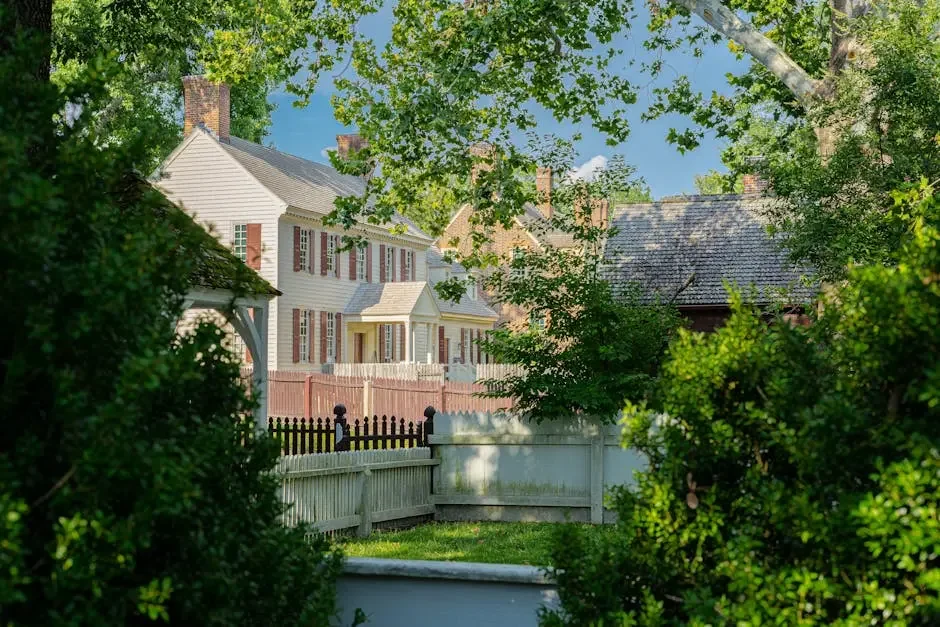
Understand Williamsburg's Climate
Williamsburg experiences a temperate climate with distinct seasons. Knowing the typical weather conditions can help you prepare your home accordingly.
To fully grasp the nuances of the local climate, it's essential to delve into the specifics that make Williamsburg's weather unique. The spring is often cool and filled with beautiful blooms, making it one of the most desirable times for outdoor activities. However, be prepared for the occasional rain shower that can pepper the season. As you transition to summer, Williamsburg experiences heat and humidity, making air conditioning a must-have for comfort.
The fall in Williamsburg is mild and delightful, with vibrant foliage painting the town in a palette of warm hues. This is a perfect time to enjoy the outdoors, as temperatures typically range in a comfortable zone. Understanding these cycles will equip you to tackle the season-specific home preparations required to keep your home comfortable year-round.
Consider Seasonal Changes
From hot, humid summers to chilly winters, each season in Williamsburg brings unique challenges. Ensure your home is equipped to handle these changes.
One of the significant aspects to consider is how each season might affect your home's structure and integrity. Summer, with its intense heat, can exacerbate wear on roofing materials or lead to discomfort in poorly insulated homes.
In winter, freezing temperatures can lead to frozen pipes, necessitating proper insulation and pipe heating solutions Install Energy-Efficient Solutions to mitigate these risks. This approach ensures longevity and reduced energy bills from less reliance on extreme heating or cooling measures.
Protect Your Home from Humidity
With high humidity levels in summer, it's important to have efficient air conditioning and ventilation systems to keep your home comfortable.
High humidity does more than just make the air feel thick; it can be a silent player in eroding your home's structure. Moisture build-up can lead to mold growth, which is not only a health hazard but also detrimental to walls and furniture. To combat this, considering dehumidifiers and moisture barriers in your home's construction can be invaluable.
Proper ventilation is also critical. Homes in humid climates benefit from having a good balance of airflow to ensure that air doesn't become stagnant. This means windows with screens for cross ventilation, but also securing a reliable HVAC system that can manage inside air efficiently.
Prepare for Rain and Storms
Williamsburg can experience heavy rains and occasional storms. Secure roofing, proper drainage systems, and storm-proofing will protect your home.
Investing in high-quality, storm-resistant windows is another layer of protection well worth the initial expense. These windows will help defend against flying debris during high winds and reduce potential leak paths. Coupled with durable roof materials like metal or reinforced shingles, your Williamsburg home can better withstand weather extremes.
Ensuring your property has proper landscaping and drainage can effectively minimize water damage risks. Features like rain gardens or French drains can direct water away from the foundation, reducing susceptibility to water damage Landscaping Tips for Rainy Areas.
Insulate for Cold Winters
Ensure your new home is well-insulated to stay warm during the colder months, which can also help in reducing heating costs.
A strategic way to insulate against the cold is by sealing gaps around doors and windows. Cold air infiltration can be a significant source of heat loss. Adding weather stripping and caulking around these areas not only saves energy but ramps up your home's coziness factor during those brisk winter months.
Don't overlook the attic and floor insulation. Heat rises, so a well-insulated attic can keep that hard-earned warm air inside your house longer. Floors above unheated spaces like garages should also be insulated to further prevent heat loss.
Wrapping Up: Weather-Proof Your New Williamsburg Home
By understanding Williamsburg's climate patterns and taking steps to prepare your future home, you can ensure comfort and peace of mind. A little weather preparation goes a long way in making your new house truly feel like home.